Automating Webhooks Pipelines with High Availability
An in-depth guide on retrieval-augmented generation utilizing Webhooks in the context of product design. We cover architecture, implementation, bottlenecks, and verification.
Marcus Wright
Director of Engineering
Introduction: The Context of Retrieval-Augmented Generation
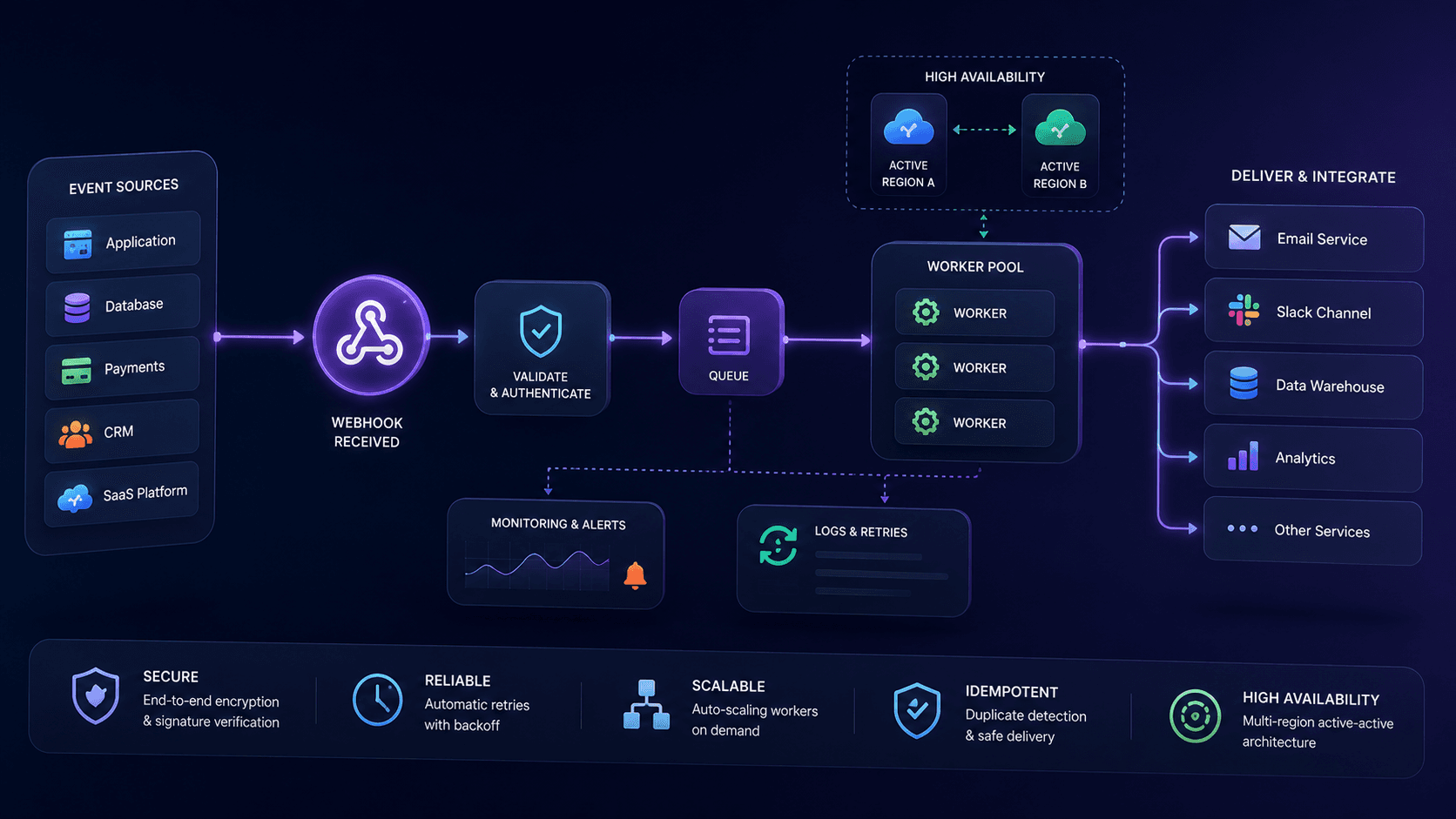
Integrating telemetry systems, secure identity management, and edge-computed caches ensures high availability and speed. Combined with Webhooks, organizations can easily bypass traditional scaling constraints. Specifically, when looking at automating webhooks pipelines with high availability, this approach has proven key to success in Product Design workflows.
Core Architectural Principles
Second, adopting event-driven messaging streams allows individual services to process data asynchronously and fail safely. Additionally, establishing a shared design system with tokenized styling keeps client-facing frontends visually consistent and lightweight. By adhering to these structural constraints, engineering teams ensure that new features don't introduce regression bugs or performance lag.
Deep Dive Implementation Details
Moreover, utilizing secure HttpOnly cookies for session storage shields authentication payloads from client-side XSS vulnerabilities. In our implementation of retrieval-augmented generation, we connect directly using optimized schemas, which allows us to achieve superior query throughput. We also leverage strict typings to ensure schema compatibility.
Critical Scaling Bottlenecks
In addition, throttling abusive IP ranges using redis-backed rate limiters protects downstream systems from request exhaustion. When integrating Webhooks systems, bottlenecks usually crop up around memory allocation and concurrent database connections. Tuning thread sizes and connection pools is key to mitigating these issues under high load.
Security, Trust & Compliance
A robust security posture demands a strict zero-trust access control policy and the absolute enforcement of least privilege profiles. Safeguarding sensitive data payloads is not only a regulatory demand under GDPR and CCPA, but also vital to retaining user trust in Product Design products.
Performance Benchmarking & Telemetry
Additionally, tracking quantitative session heatmaps and funnel metrics shows where user friction occurs in real production environments. Telemetry logs provide the quantitative evidence needed to guide refactoring efforts. Monitoring metrics ensures we catch latency degradation before it reaches our user base.
Summary & Operational Takeaways
In summary, building modern high-scale applications is a continuous process of auditing, optimization, and strict architectural discipline. Implementing these patterns helps teams scale operations, protect data privacy, and maintain high developer velocity while shipping premium software products.
Written by
Marcus Wright
Director of Engineering
Marcus Wright writes about engineering, design, and AI at Magnence — sharing lessons learned from shipping production systems for clients across 13+ industries.